



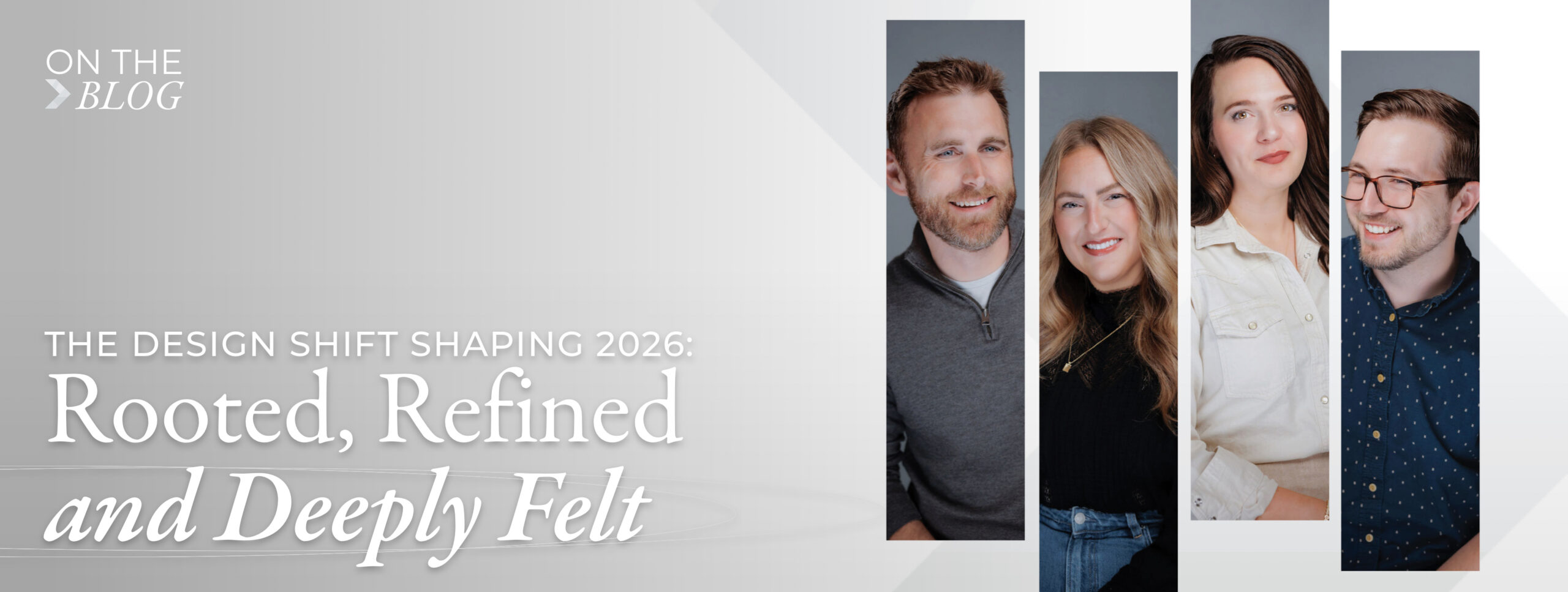
Less Noise. More Intention. Design Trends We Love in 2026
Rob Seas Content Strategist & Copywriter
Four distinct perspectives from the Kinetic creative team on what’s worth paying attention to.
Every year, design trend roundups promise the same thing: what’s next. But at Kinetic Marketing & Creative, the more interesting question is why certain trends matter and how they show up in real work.
For 2026, there isn’t one dominant aesthetic or single direction everyone is chasing. Instead, design is responding to cultural pressure points — digital overload, AI sameness, visual fatigue and the growing desire for work that feels intentional, human and lasting.
To explore where things are headed, four Kinetic graphic designers each share a design trend they’re genuinely excited about this year. Together, their experience spans global brands, award-winning creative work, and designs that live across digital, print, motion, and photography. Their insight comes from years of hands-on work and strategic problem-solving, not surface-level trend watching. While shaped by different disciplines and creative instincts, their perspectives point to a shared truth: brands that slow down, show their humanity, and design with intention will stand out in a crowded landscape.
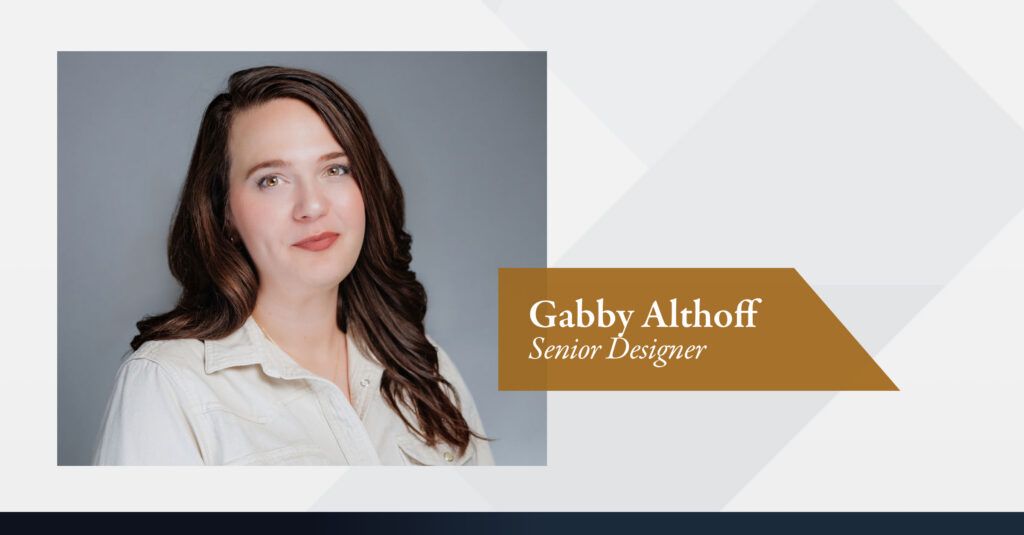
Gabby Althoff, Senior Graphic Designer
As digital fatigue accelerates, the marketing landscape in 2026 is shifting toward slower, more intentional forms of engagement. Trend forecaster WGSN predicts that Digital Privilege — the ability to log off without fear of missing out or losing cultural relevance — will become a new luxury status symbol. Audiences are increasingly drawn to formats that encourage presence and attention over distraction. In this context, analog media, once written off as obsolete, is emerging as a strategic tool for brands seeking trust, credibility and lasting connection. Offline moments are now rare and valuable.
A clear signal of this shift is the return of brand-driven print publications. Major companies like Microsoft are launching print magazines such as Signal, designed to engage loyal audiences with long-form brand stories rather than quick clicks. Cultural and media brands are following suit. Brands such as Loewe and Red Bull’s Red have embraced printed magazines that function as evergreen brand touchpoints, designed to be kept, displayed and shared offline rather than instantly posted online. Even Gen Z, despite being hyperconnected, is driving an analog renaissance, embracing vinyl, printed zines, direct mail and tangible media as premium experiences that bypass social feeds in favor of tactile, lasting engagement.
This analog rebound is not nostalgic for its own sake. In a world saturated with fleeting digital impressions, physical media signals intention. Logging off becomes not just an act of self-care, but a doorway into marketing that values depth over virality, presence over performance and real attention over reflexive scrolling. In 2026, analog is not retro. It is strategic.
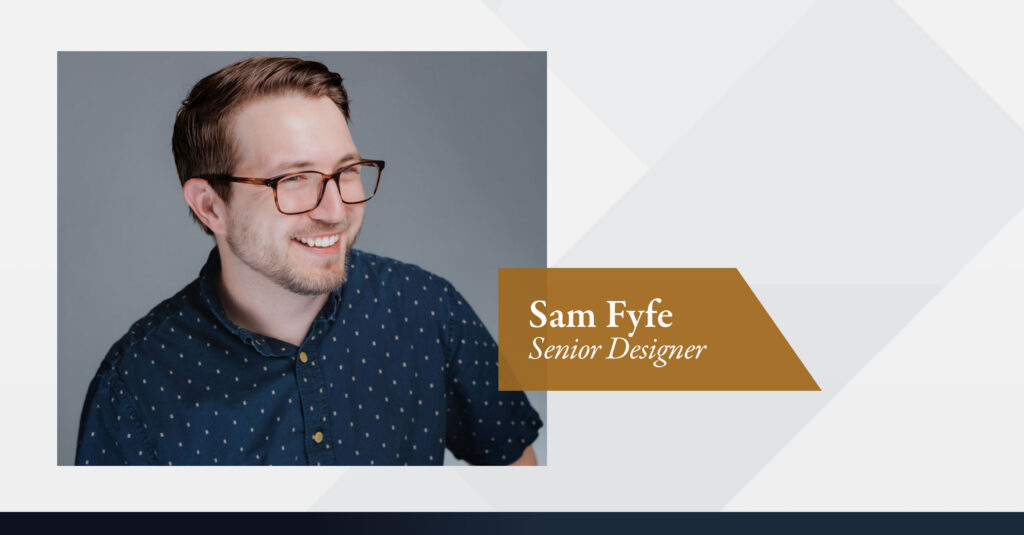 Sam Fyfe, Senior Graphic Designer
2025 can be easily summed up as the year of AI. Generated content is finding a home in every industry and sneaking into campaigns from titanic brands like Coca-Cola and BMW (albeit with mixed results). The conversation around AI has dominated our culture and news feeds for months, and the digital landscape has seen a flood of new content, all with a suspiciously similar slick, digital sameness. In an effort to transcend the rising tide of AI content, many brands and creatives are leaning into texture, imperfection and warmth.
If 2025 was the year of AI perfection, 2026 is shaping up to be a year of human imperfection. Brands are eschewing slick, clean minimalist aesthetics with warm, handmade textures, bold aesthetics and expressive typography. Creatives are increasingly leaning into techniques and styles that highlight imperfection and craftsmanship — from brands “showing their work” by highlighting the bezier curves and anchors in logo animations to literally cultivating logos from bacteria in petri dishes. Brands will increasingly look for opportunities to connect with their audiences by showing the humanity behind the work.
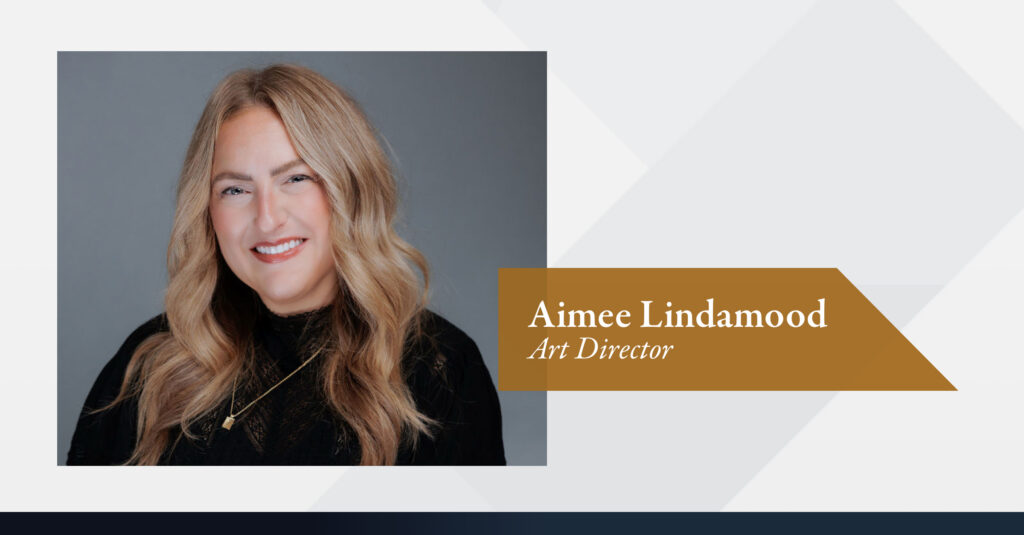 Aimee Lindamood, Art Director
If 2025 had a color personality, it would be “trying very hard on the internet.” Hyper-saturated neons, overstimulating brights and high-contrast gradients were the moment. Feeds were crowded, attention spans were fried and brands responded by turning the saturation slider all the way up with crossed fingers, hoping to stay relevant. The result was visual noise. Loud palettes fought for attention but often sacrificed longevity, accessibility and trust. Truly, when everything is shouting, nothing is memorable.
In 2026, color trends are moving toward calm confidence and restraint with intention. We’re seeing complex neutrals, mineral-inspired hues, softened earth tones and desaturated blues and greens that feel grounded but still contemporary. These colors solve real problems for brands. They age better across campaigns, improve readability and accessibility, create emotional space to help brands connect with their audiences and stay flexible across digital and print touchpoints. Forecasts from WGSN’s color trend forecasting, Pinterest and early direction from Pantone’s trend insights point to palettes that support balance, longevity and emotional ease, resonating with audiences who want brands to feel more human.
From a branding perspective, this shift is less about playing it safe and more about playing it smart. Brands like Airbnb and Headspace are embracing softer color systems paired with strong typography and flexible accent colors. The takeaway is not “be boring,” it’s “be intentional.”
Color in 2026 is doing more emotional heavy lifting with less visual yelling. Recent identity work from studios like Collins and Pentagram shows how restraint, when done well, can still feel modern without chasing trends.
Color is evolving with intention, and the difference is noticeable.
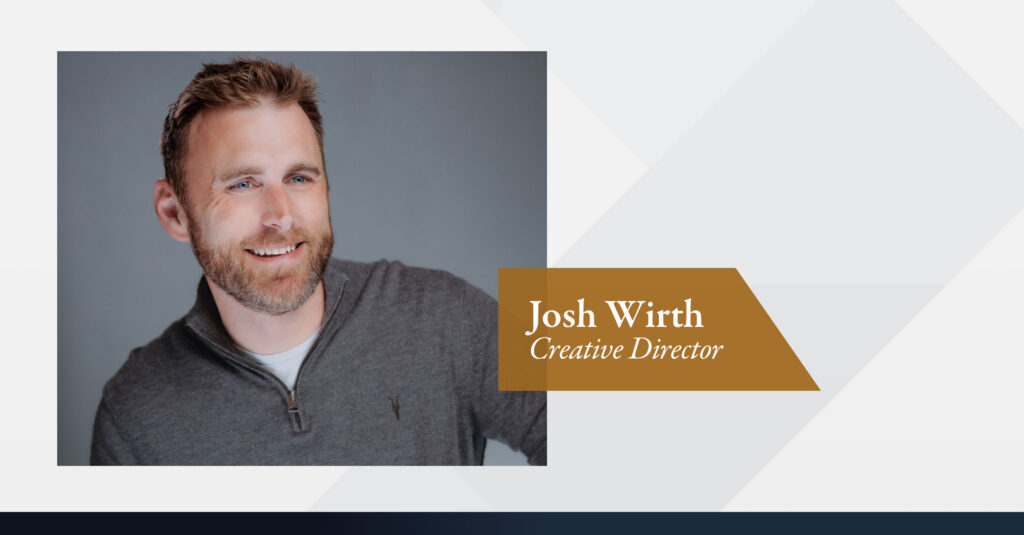
Josh Wirth, Creative Director
I’ve been thinking a lot about where design is heading into 2026, and it feels like a rebellion against bland, AI-smoothed sameness. When “good enough” becomes easy, standing out takes more than technical perfection. When everything looks technically correct, humor and personality start doing the heavy lifting. Wit, self-awareness and a little intentional weirdness may become a real competitive advantage. In a sea of hyper-polished, “something… feels… off” AI work, making someone smile or laugh (or, with any luck, chortle, snort or even guffaw) might be what actually makes something stand out.
I also think people are tired of asking whether AI made something. For the record, I’m not anti-AI, I’m anti-lazy. I want to make work where it’s obvious a human was involved, not because it’s pretending to be user-generated but because it has taste, intention and a point of view. And yes, this is the part where I briefly turn into an old man shaking his fist at a cloud… the trend of intentionally making creative look like low-effort has to go. If I see another overly earnest, straight-to-camera testimonial about life insurance delivered whilst jogging, I’m going to start wondering if ChapGPT* is already writing those, too.
*My parents thought it was called chapGPT.
The Design Trends We Stand Behind in 2026
Taken together, these trends point to a broader shift in how brands communicate visually in 2026. Across analog experiences, human imperfection, more restrained color systems and unapologetic personality, the common thread is intention. Design is moving away from volume and velocity toward meaning, clarity and connection.
That means using the tools available with discernment, taste and purpose. The brands that resonate most will be the ones that understand when to log off, when to lean in and when to let a little humanity show through the work.

At Kinetic, these perspectives shape how design decisions are made every day — not by chasing trends but by choosing what serves the brand, the audience and the long game. If 2026 has a design takeaway, it’s this: thoughtful work lasts longer, feels better and ultimately works harder.
Rob Seas
Content Strategist & Copywriter
Rob graduated from Syracuse University with a degree in Journalism, held a variety of editorial positions across the country and has worked as a freelance web developer for companies large and small, ranging from startups to international corporations like Visa, The Nature Conservancy, and Levi Strauss & Co. before joining Kinetic Marketing in 2021.
Read more about Rob
